Human Rights Advocacy
Community education and advocacy grounded in South Africa’s Bill of Rights and the Universal Declaration of Human Rights. We help people know, exercise and defend their rights.
Support rights education →
Dignity · Justice · Opportunity
We advance the rights, health and education of rural and underserved communities—carrying forward the courage and compassion of Princess Nthuse Mahasha.
The woman behind the name
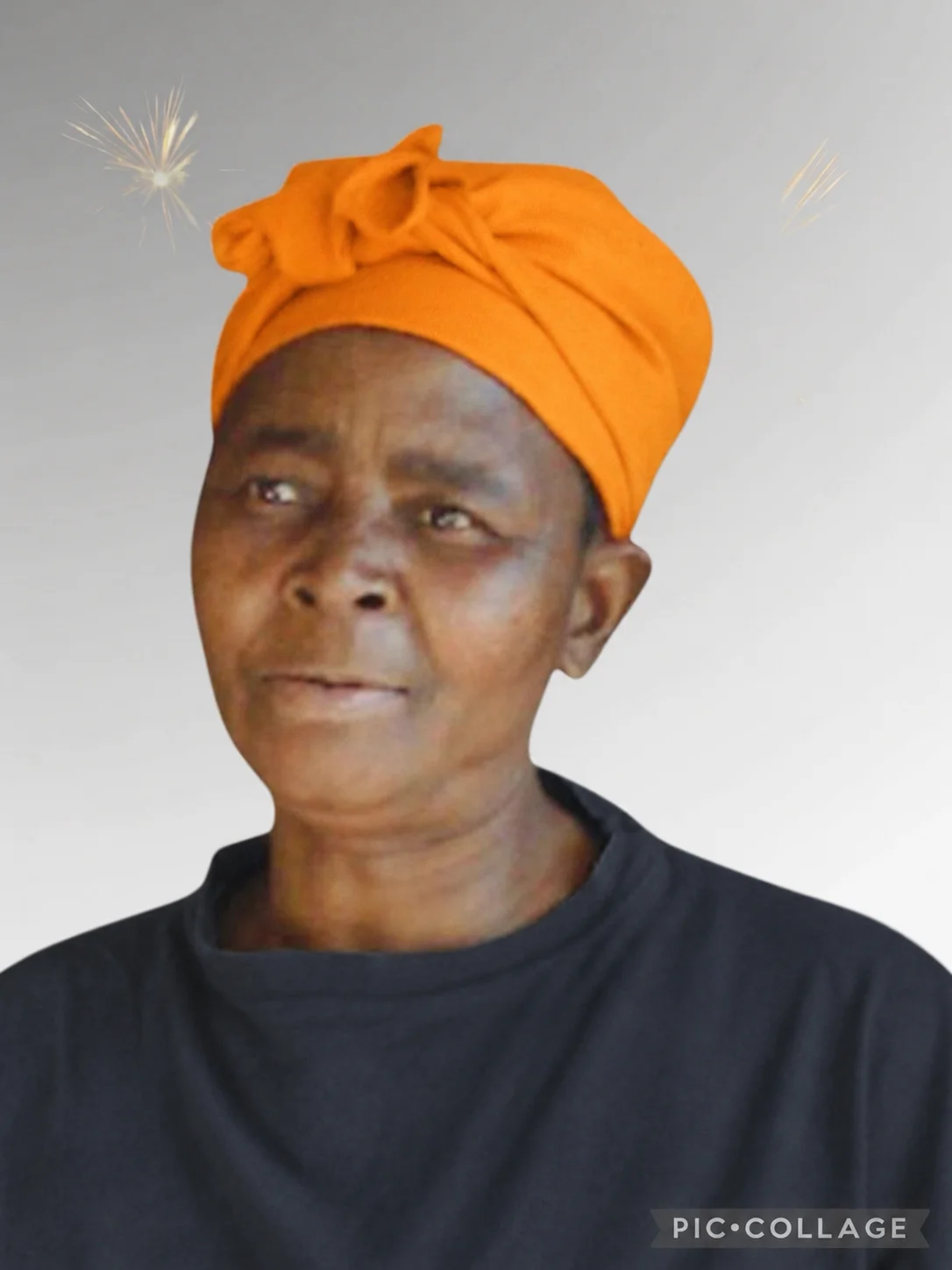
Princess Nthuse Mahasha’s life represents the many untold stories of rural African women and widows whose courage has too often gone unrecorded because they had no access to modern communication platforms. Hers is a story of resilience in the face of adversity, loss and complex family dynamics.
Before her birth, her parents had endured the loss of children, including through miscarriages. Her father, Phetole George Mahasha—a traditional leader of the Mahasha royal family—cried out in anguish: “Modimo a nthuse, ngwana yo a phele”—“God help me; let this child live.”
On 12 June 1942, his first daughter was born in Ga-Thako Village, Mmuleni, Bolobedu South, Tzaneen, to Phetole George Mahasha and Makoma Mahasha (née Pilusa). He named her Nthuse, meaning “God help me.” Her name began as a father’s prayer and became the testimony of a life that endured.
She grew up in an era when violence against women was widely normalised and hidden. Like many rural women of her generation, Nthuse experienced gender-based violence. We tell this part of her story with dignity: not to define her by what she suffered, but to recognise the injustice, break the silence and help ensure that other women know their rights and can reach protection.
Orphaned alongside her two brothers and five half-siblings, married and widowed while still young, she was left to raise her children. She worked as a domestic worker, often on farms around Tzaneen and Politsi. She lived through apartheid, witnessed human-rights abuses and experienced the oppression of women within a traditionalist patriarchal system—yet she refused to surrender her children’s future.
In 1985, she endured the devastating loss of children, one after another—a tragedy that shocked the community. In the face of profound grief, she rose with extraordinary fortitude and continued raising, protecting and guiding her surviving children.
“Nthuse—God help me. A father’s prayer became a daughter’s testimony.”
Her love for education was her quiet revolution. She taught her children that learning could interrupt poverty and restore possibility. Within her family and clan, she was a respected paternal aunt, a sister, mother and grandmother: a woman whose wisdom, care and stories carried generations.
The Nthuse Mahasha Foundation for Human Rights preserves that voice and carries her legacy forward. By telling her story, we also honour countless rural women whose names may never appear in history books, but whose courage sustained families and communities.
What we do
Our work connects rights awareness with practical pathways to protection, health and opportunity.
Community education and advocacy grounded in South Africa’s Bill of Rights and the Universal Declaration of Human Rights. We help people know, exercise and defend their rights.
Support rights education →We identify cases, support survivors and work with Chapter 9 institutions and trusted partners to improve access to protection, remedies and justice.
Strengthen survivor support →GETTING TO ZERO
Awareness, prevention, advocacy and referral focused on zero new HIV infections, zero AIDS-related deaths, zero discrimination, and stronger community responses to TB.
Build healthier communities →Training on HIV, TB and non-communicable diseases, including diabetes and hypertension, alongside free screenings delivered with clinics and health partners.
Host a health activation →Mobilising public and private resources to help children from low-income backgrounds access education—and narrow the opportunity gap between rich and poor.
Invest in a learner →Flagship special project
A centre in development
A trusted rural centre for protection, justice, healing and opportunity—serving widows, orphans, women and families affected by violence and exclusion.
Gender-based violence is a national crisis, but rural survivors face particular barriers: sexual offences that go unreported, weak or delayed investigations, fear of retaliation, distance from services, local conflicts of interest and cases that disappear without a clear explanation. The Centre is our response: a place where people are believed, guided and accompanied.
Help survivors and families understand their options, report offences, document concerns, follow case progress and reach the appropriate police, prosecuting, oversight or Chapter 9 institution.
Practical support, referrals, mentoring and empowerment for widows and orphaned children facing poverty, exclusion, inheritance disputes or loss of access to education.
Trauma-informed intake, confidential referral pathways and coordinated access to qualified social workers, healthcare practitioners, shelters and legal services.
Work with men, boys, traditional leaders, schools and faith communities to challenge harmful norms and build non-violent models of masculinity, responsibility and care.
The Centre will support, document, refer, accompany and advocate. It will not replace the SAPS, prosecutors, courts, healthcare professionals or accredited social-service providers. Partnerships and accountable referral systems will be central to its work.
Our vision
We envision rural and semi-rural communities in which every person understands their rights, every woman and child can live free from violence, and no one discovers the law only after harm has occurred. Education must come before crisis. Through advocacy, workshops and trusted partnerships, we bring the Constitution closer to everyday life.
Community workshops
Laws change, but public education often does not reach the people most affected. Our workshops translate rights and responsibilities into accessible, practical community knowledge.
The Bill of Rights, equality, dignity, cultural rights, discrimination and how to lodge a complaint.
Customary marriages, registration, spousal rights, domestic violence, protection orders and changes in the law.
Gender-based violence, harassment, unfair discrimination and practical pathways to help and justice.
Rights resource centre
These official and authoritative resources are a starting point for public education. They do not replace legal advice for an individual matter.
Call for ambassadors
We invite serving and retired teachers, social workers, lecturers, health practitioners, legal professionals and other committed community members to volunteer as Nthuse Mahasha Foundation Ambassadors in rural and semi-rural communities.
Ambassadors help identify learning needs, mobilise residents, host awareness activities, share verified information and connect people with appropriate institutions. They do not replace qualified legal, health or social-work professionals.
Enquire about becoming an AmbassadorAdvocacy in action
Before the Foundation was formally registered, its founder was already helping rural women navigate public institutions and pursue recognition, dignity and justice.
Impact story 01 · Traditional leadership
Following the brutal murder of her husband, a Senior Traditional Leader, on 4 November 1992, a Kgošigadi was falsely implicated in his death by people close to the royal house. The allegations followed her for years. After confessions were made in December 2012, advocacy began to help establish the truth and restore her dignity and standing.
After years without resolution from the Limpopo Department of Co-operative Governance, Human Settlements and Traditional Affairs, the matter was taken to the SAPS, the Commission for Gender Equality and the Office of the Premier. The National Prosecuting Authority cleared the widow, and Premier Stan Mathabatha recognised her as Acting Senior Traditional Leader of her community in December 2019.
Outcome: After several court challenges seeking to overturn her recognition, she was coronated on 2 June 2026—culminating a long struggle for truth, justice and rightful traditional leadership.
Impact story 02 · A widow’s right to lead
After her husband’s death, a Kgosigadi faced resistance from relatives and community actors who sought to take control of the royal house and prevent her from succeeding to its leadership. Advocacy included engagement with the Commission for Gender Equality, the Office of the Premier, the responsible Limpopo MEC and the Limpopo House of Traditional Leaders.
Outcome: She secured formal recognition and has continued serving in her traditional leadership position.
About these stories: These summaries focus on the advocacy process and outcomes. Names, photographs and personal testimonials will be added only with the informed consent of the people concerned and after relevant records have been checked.
Leadership and governance
Son of Ramputla Gold Modika and Princess Nthuse Mahasha
Tebogo Modika was born into Balobedu royalty through both his parents. The Modika and Mahasha royal houses are among the founding houses of the Balobedu nation. The Foundation is rooted in his mother’s lived example: dignity in hardship, belief in education and service to others. Its leadership is committed to accountable partnerships, responsible stewardship and community-centred programmes.
Where we focus
We prioritise rural villages, townships and semi-urban communities, including areas affected by major capital projects and mining activity.
By working with clinics, public institutions, civil society and responsible businesses, we connect community needs to practical support.
Stand with us
Partner with us on rights education, community workshops, survivor support, health outreach, our Ambassador network or scholarships. Together, we can move knowledge, resources and protection closer to the people who need them.